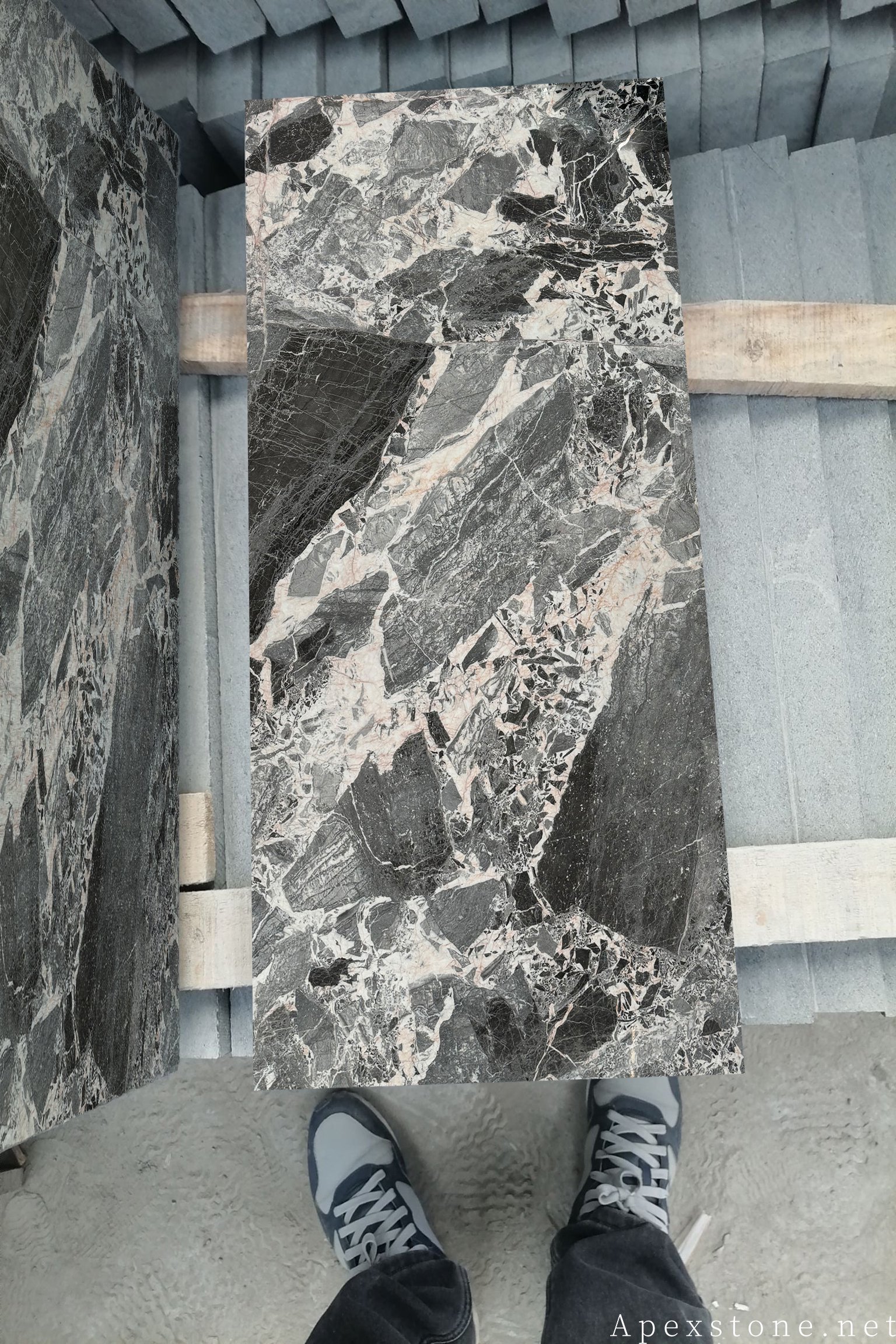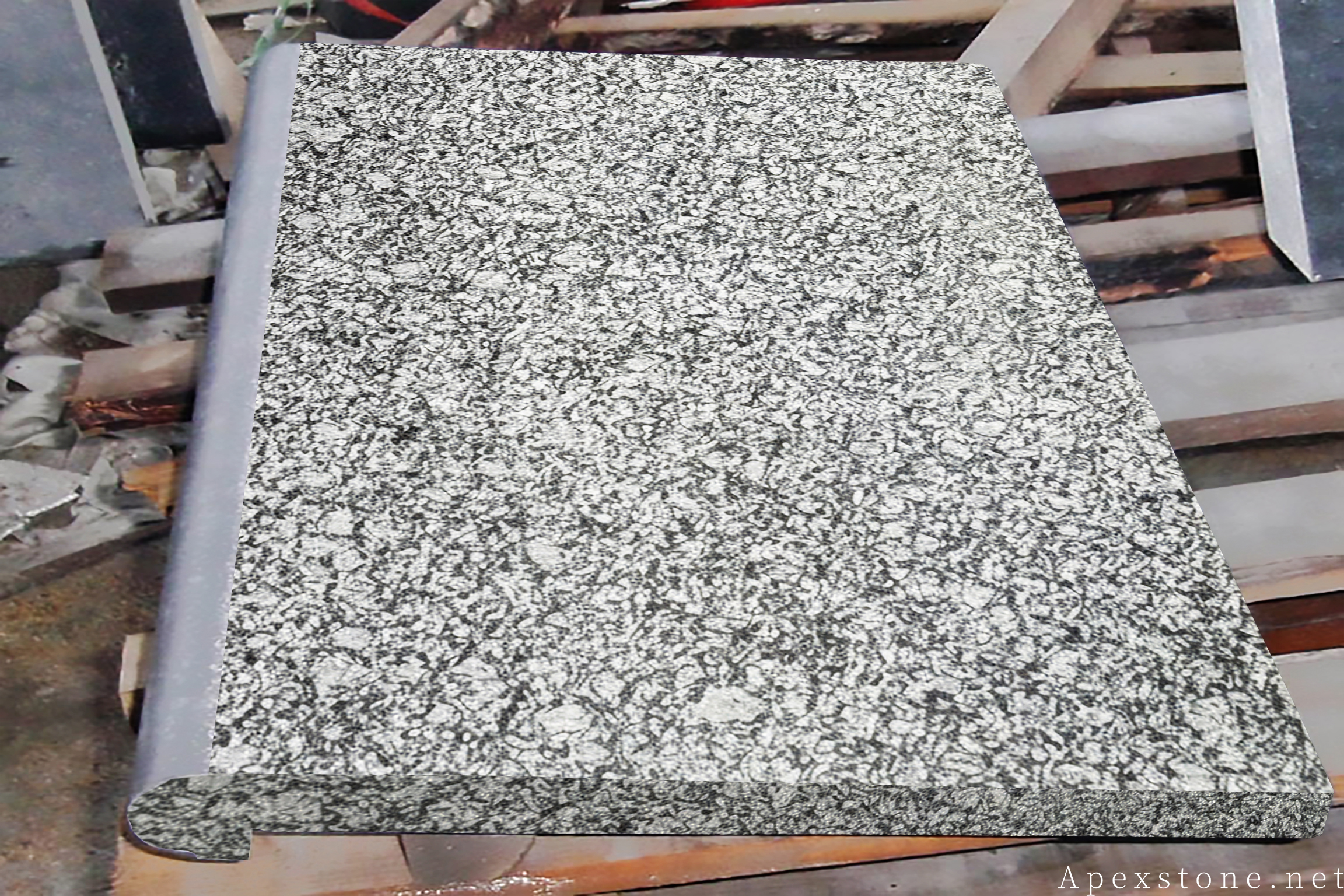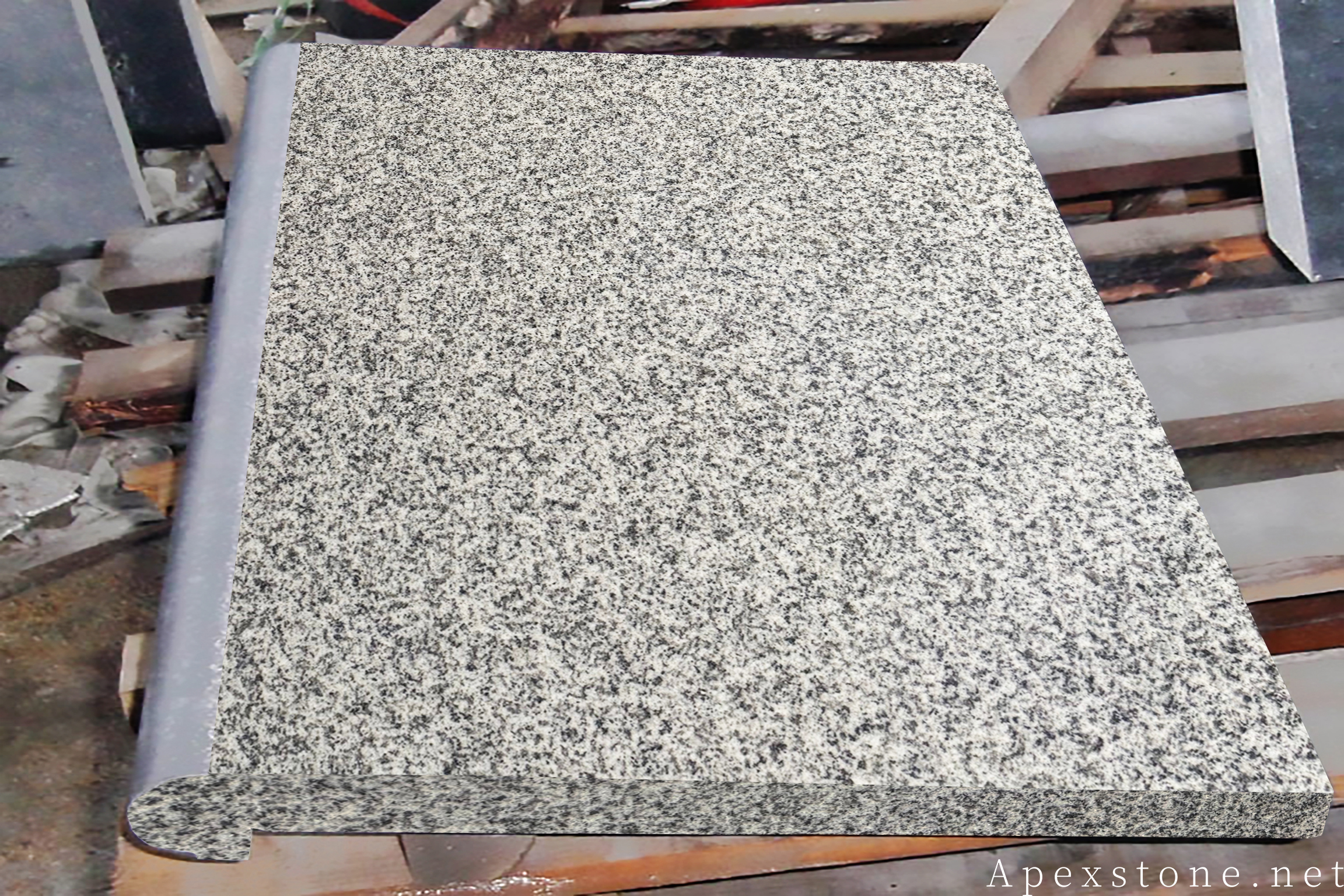
A specification-first guide for buyers comparing silver travertine coping with ivory. Covers how the two tones read at the waterline, when silver is the better call, the spec points that matter (30 mm thickness, unfilled brushed or tumbled grip, bullnose or eased edges, veining direction), and how to approve samples and batches before cutting.
Travertine coping · selection guide
Choosing silver travertine coping is a decision about tone, not about a different stone. If your deck runs cool, your water is the visual anchor, and you are tired of seeing every leaf on the edging, silver is usually the better answer than ivory. This guide sets out where the two diverge, and what to lock down in the specification before a single piece is cut.
One stone family, two moods
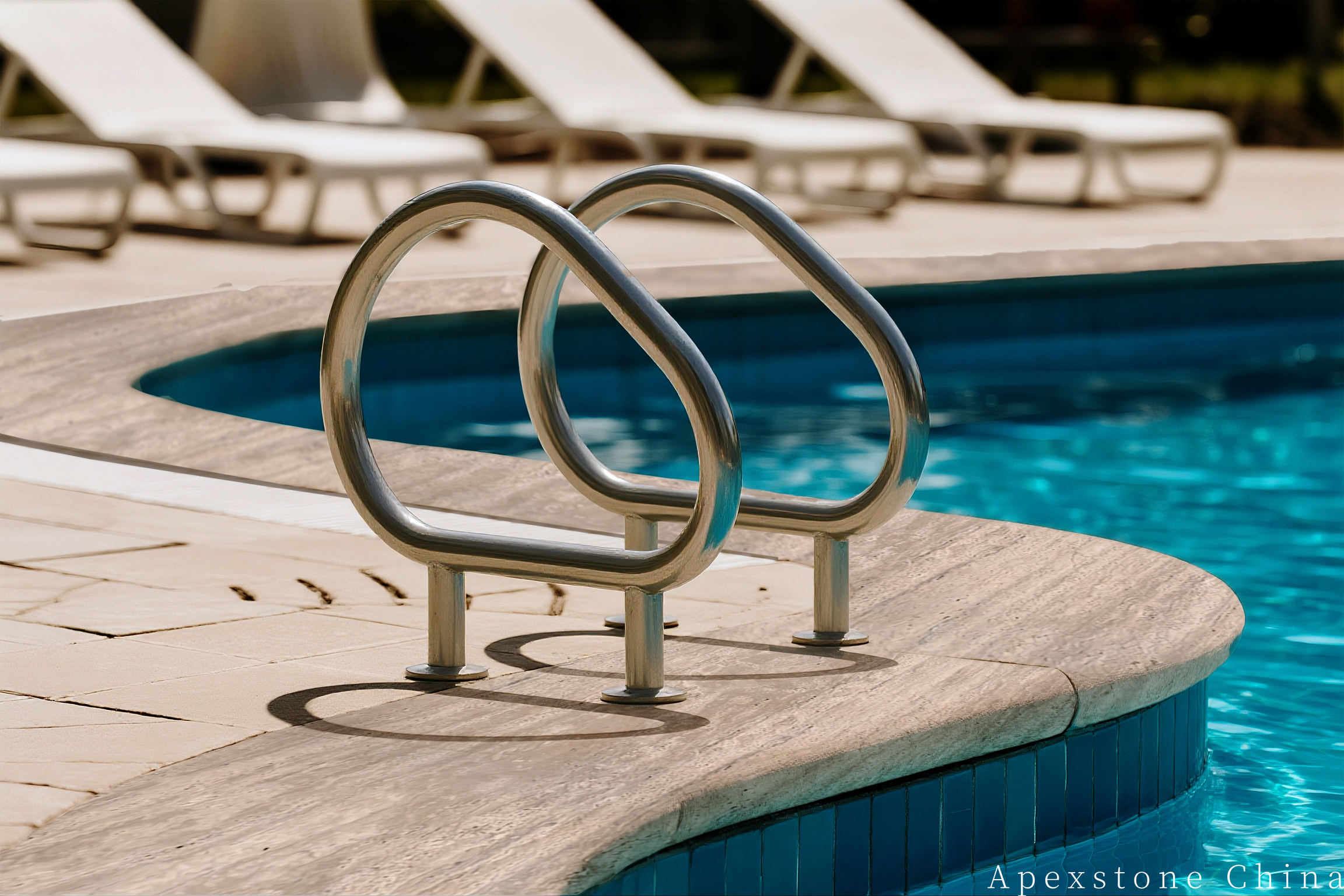
Travertine spans from warm ivory and beige (the Classico Romano range) through to silver-grey. It is the same stone family throughout; the selection comes down to tone and veining, not to swapping materials. That matters for buyers because it means a grey palette and an ivory palette are procured the same way — same thickness options, same edge profiles, same finish logic — with the differences concentrated in appearance and in how each tone behaves visually around water.
Our Italian travertine coping program (the ivory Classico Romano range) is built on the Romano material from Classico Roma, Italy, and the coping specification below applies across the family. Silver sits at the grey end of that same range.
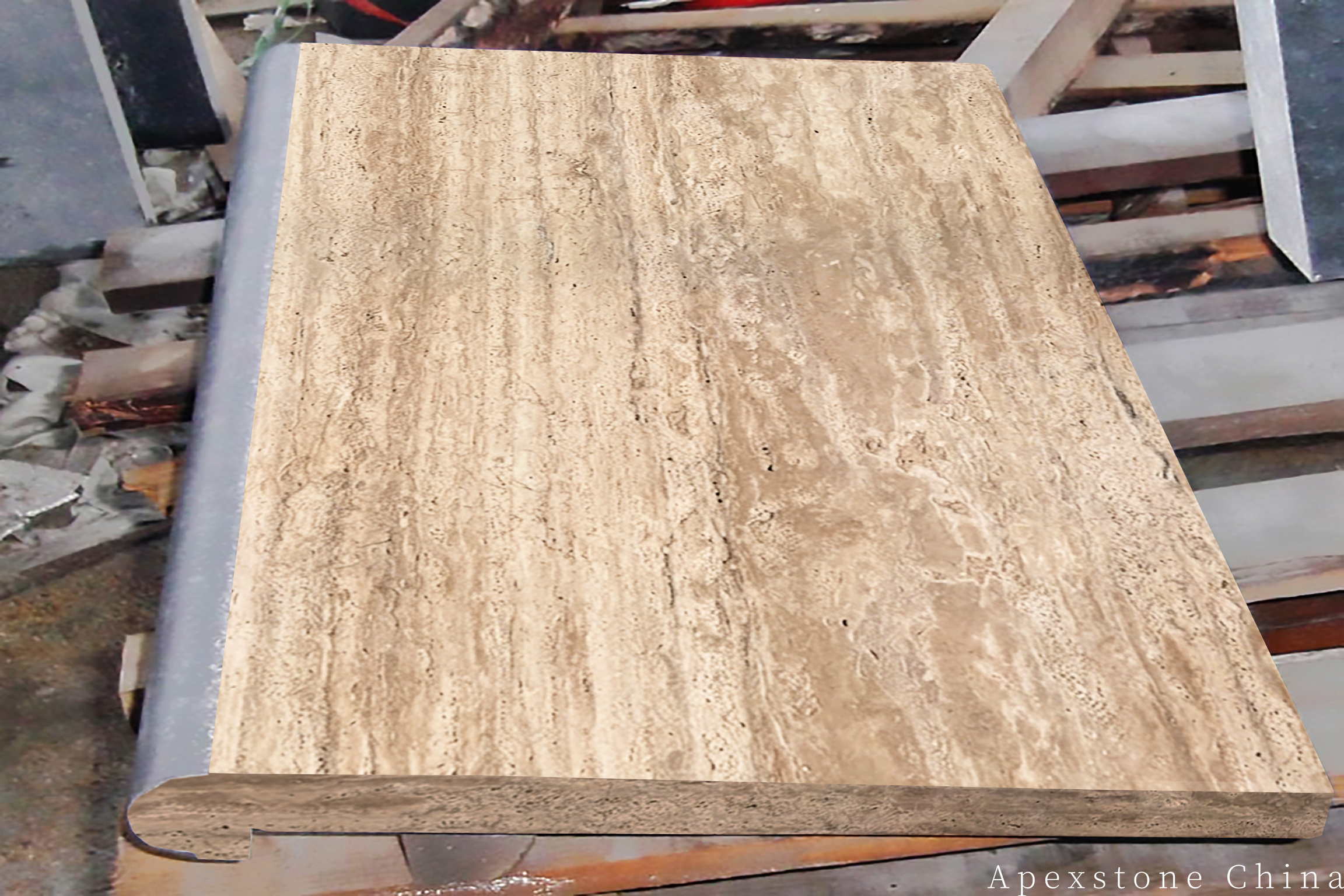
Silver vs ivory at the waterline
Most of the argument happens at eye level, between the coping edge and the water. Both tones are travertine; they simply pull the eye differently.
| Consideration | Silver travertine | Ivory travertine |
|---|---|---|
| Relationship with blue water | Grey reads calmer against blue; the coping recedes and the water stays the focal point | Warm contrast; the coping itself is more prominent |
| Debris and waterline deposits | Disguises leaves and waterline deposits better | Pale tone shows contrast marks sooner |
| Design direction | Modern, architectural, cool-toned palettes | Mediterranean, resort, warm and classical palettes |
| Stone family | Same travertine family | Same travertine family |
| Standard coping thickness | 30 mm (1-1/4 inch) | 30 mm (1-1/4 inch) |
Neither tone is a performance upgrade over the other. The honest distinction is visual: silver suits a quieter, cooler composition and hides surface debris better; ivory warms the pool surround and reads more traditionally. If the shortlist is leaning pale rather than grey, white pool coping options compares the light stones that keep their look and the upkeep each one asks for.
When silver is the better choice
- The deck is grey or cool-toned. Concrete, grey porcelain, graphite composite decking and cool render all sit more naturally with silver than with warm ivory.
- Blue water is the design anchor. If the pool is meant to be the one saturated element in the view, a grey coping keeps the frame quiet.
- Maintenance presentation matters. Leaves, dust and waterline deposits are less conspicuous on silver than on pale ivory — useful on heavily treed sites or pools that are not cleaned daily.
- The architecture is contemporary. Sharp geometry, linear edges and minimal planting details pair better with grey.
Ivory remains the right call for warm render, terracotta, sandstone paving and classical or resort-style schemes. The decision is not which stone is better — it is which tone the surrounding palette asks for.
Specifying silver travertine coping
Once the tone is settled, the specification is where the project either goes smoothly or does not. These are the points that change the delivered result.
Thickness: 30 mm (1-1/4 inch)
Pool coping in this program is produced at 30 mm (1-1/4 inch). That is the figure to carry into the coping detail and the setting-bed or adhesive specification, so the finished edge height and the deck-to-water relationship are calculated against the right number.
Finish: unfilled brushed or unfilled tumbled
For barefoot wet areas, unfilled brushed and unfilled tumbled finishes give open-texture grip. That grip is the reason unfilled is often preferred at the pool edge. Be clear-eyed about the trade-off: unfilled finishes hold surface dirt more than filled honed surfaces. If you specify unfilled for grip, plan for the cleaning routine that comes with it.
Edge profile: bullnose, eased or custom
Coping edges are available bullnose, eased or custom. Bullnose softens the outer arris for hands and feet; eased gives a cleaner, more architectural line. The chosen profile should match the deck detail and be fixed before production, since it affects how the coping meets the surrounding paving.
Veining direction
Veining direction changes how long edge runs read. On a long pool edge, a vein running along the length looks very different from one running across it. Decide the laying direction and approve it on a sample before cutting, so the delivered runs match the intent.
| Specification item | What to confirm |
|---|---|
| Thickness | 30 mm (1-1/4 inch) coping |
| Finish | Unfilled brushed or unfilled tumbled for grip |
| Edge | Bullnose, eased or custom |
| Deck format | 600x600 mm (24x24 inch) or French Pattern |
| Sealing | Water-repellent penetrating sealer; premium grade in freeze-thaw climates, to lower surface absorption and reduce freeze-thaw risk |
| MOQ | Quoted per project against your specific drawings and quantity |
| Lead time | Quoted per project from drawing approval |
On comfort, the useful way to state it is a difference in feel rather than a fixed temperature: an unfilled brushed or tumbled travertine face generally feels cooler underfoot than a polished surface, and how much cooler depends on the finish and on the sun exposure. On freeze-thaw resistance, the honest position is this: a water-repellent penetrating sealer lowers surface water absorption and so reduces freeze-thaw risk, and premium grade is what we specify in cold climates — but whether sealing is sufficient for a given site depends on the local freeze-thaw cycles and on how the installation drains. For edge profiles, bed depths and the deck-side details, the broader reference on stone coping for pools covers the options, and the full travertine pool coping specification guide goes deeper on the surrounding decisions. Where the order has to cover deck pavers and step sets as well as the coping line, specifying travertine coping tiles for pool edges sets out how those line items are assembled from one drawing.
Sampling and batch approval
Travertine is a natural stone, and veining and banding vary across batches. That variation is the single most common source of disappointment on a finished pool edge — not because the material is wrong, but because nobody signed off on the look before production.
- Approve a physical sample of the actual tone. Silver covers a range of grey; confirm the specific tone against your deck and waterline before committing.
- Check veining and banding across more than one piece. A single tile can look calmer or busier than the run it belongs to.
- Mark the laying direction on the approved sample. Vein direction and edge profile should be recorded together so production and site teams work from the same reference.
- Approve the drawing. Lead time is quoted per project from drawing approval, so resolving the sample and drawing early keeps the schedule intact.
Unfilled finishes and natural banding are easier to accept when the expectation is set at sample stage rather than discovered at delivery. Sample orders under 10 m² carry a USD 200 handling fee, so the tone is approved on real stone before a production run is committed.
FAQ
Does silver travertine cost more than ivory?
It depends on availability at the time of order rather than on an inherent price difference between the two tones. Silver and ivory come from the same stone family, so any gap reflects what is available in the required format when you buy. Request current pricing for the specific tone, thickness and finish you need.
Is unfilled or filled better around a pool?
Unfilled brushed and unfilled tumbled finishes give the open-texture grip you want under bare feet on a wet edge. Filled surfaces are easier to keep clean but offer less of that texture. If grip is the priority, specify unfilled and plan for more attention to surface dirt.
Does silver travertine stay cooler than ivory?
Both tones are travertine, so tone is a visual choice here rather than a thermal one. What does affect underfoot feel is the finish: an unfilled brushed or tumbled face generally feels cooler than a polished one, and how much cooler depends on the finish and on the sun exposure. Grey versus ivory does not change that behaviour.
When you are ready to compare tones, ask for a silver sample and an ivory sample side by side against your deck and waterline, and confirm tone, finish, edge and laying direction in writing before cutting.