Apexstone
Portuguese Grey Limestone Slab
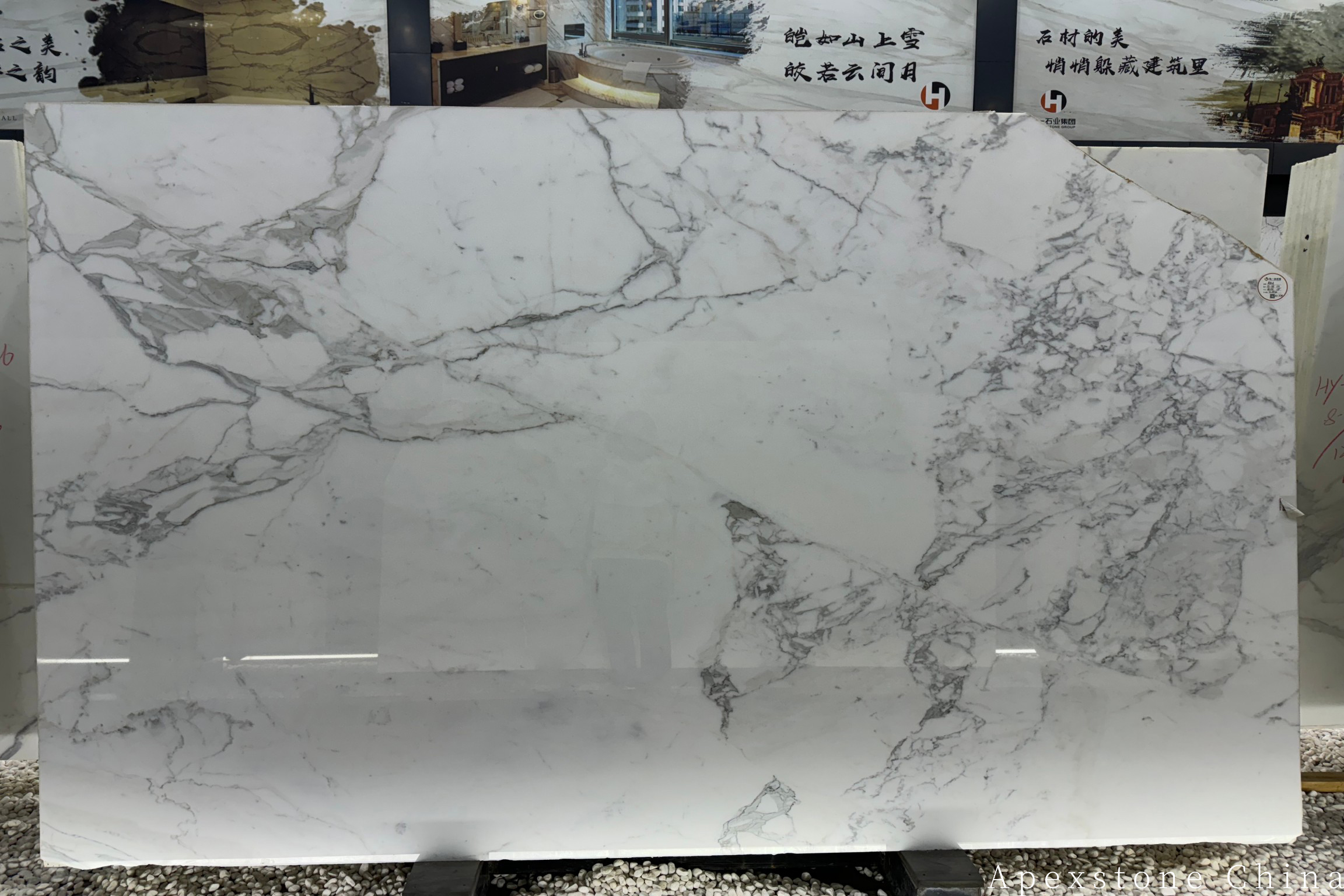
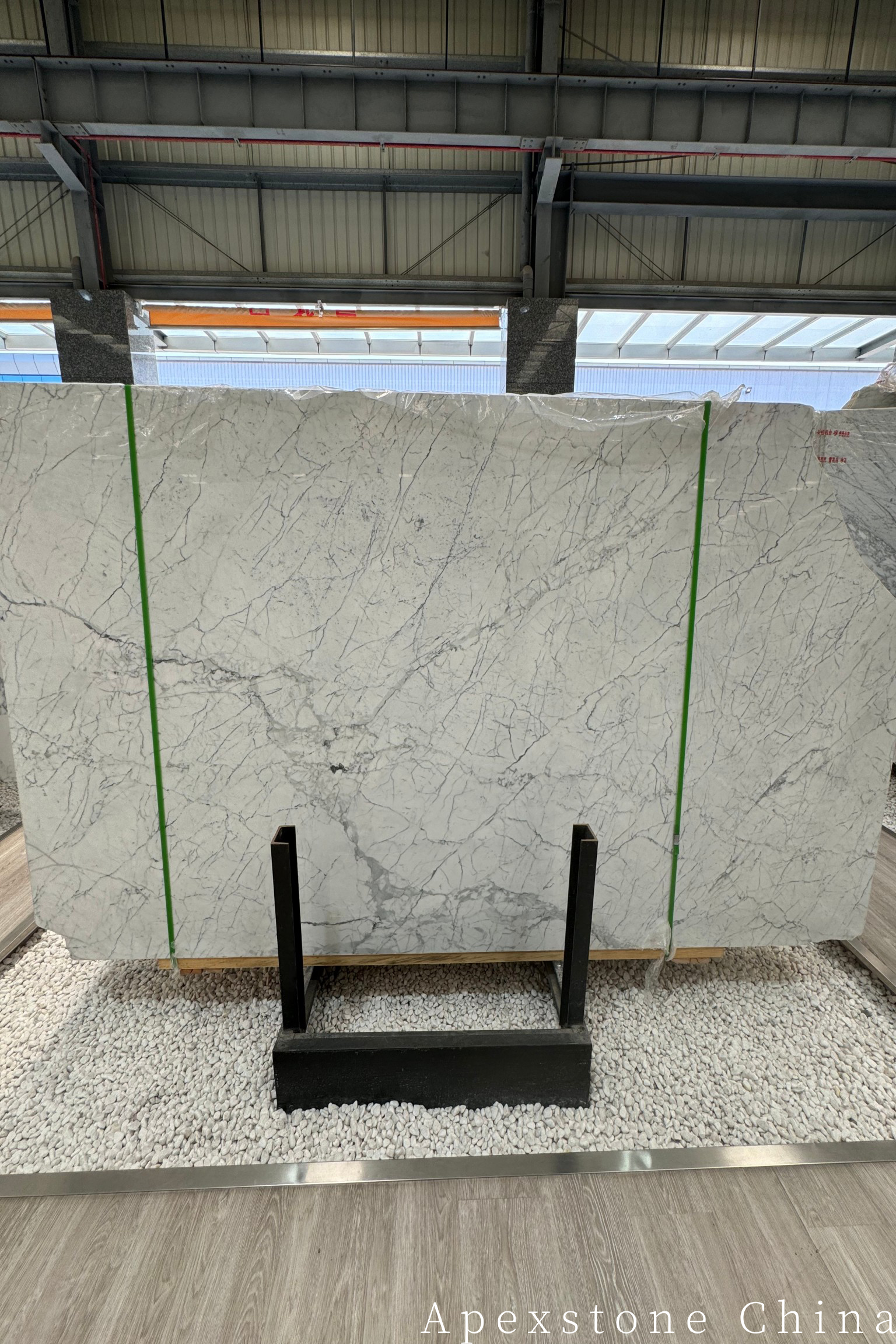
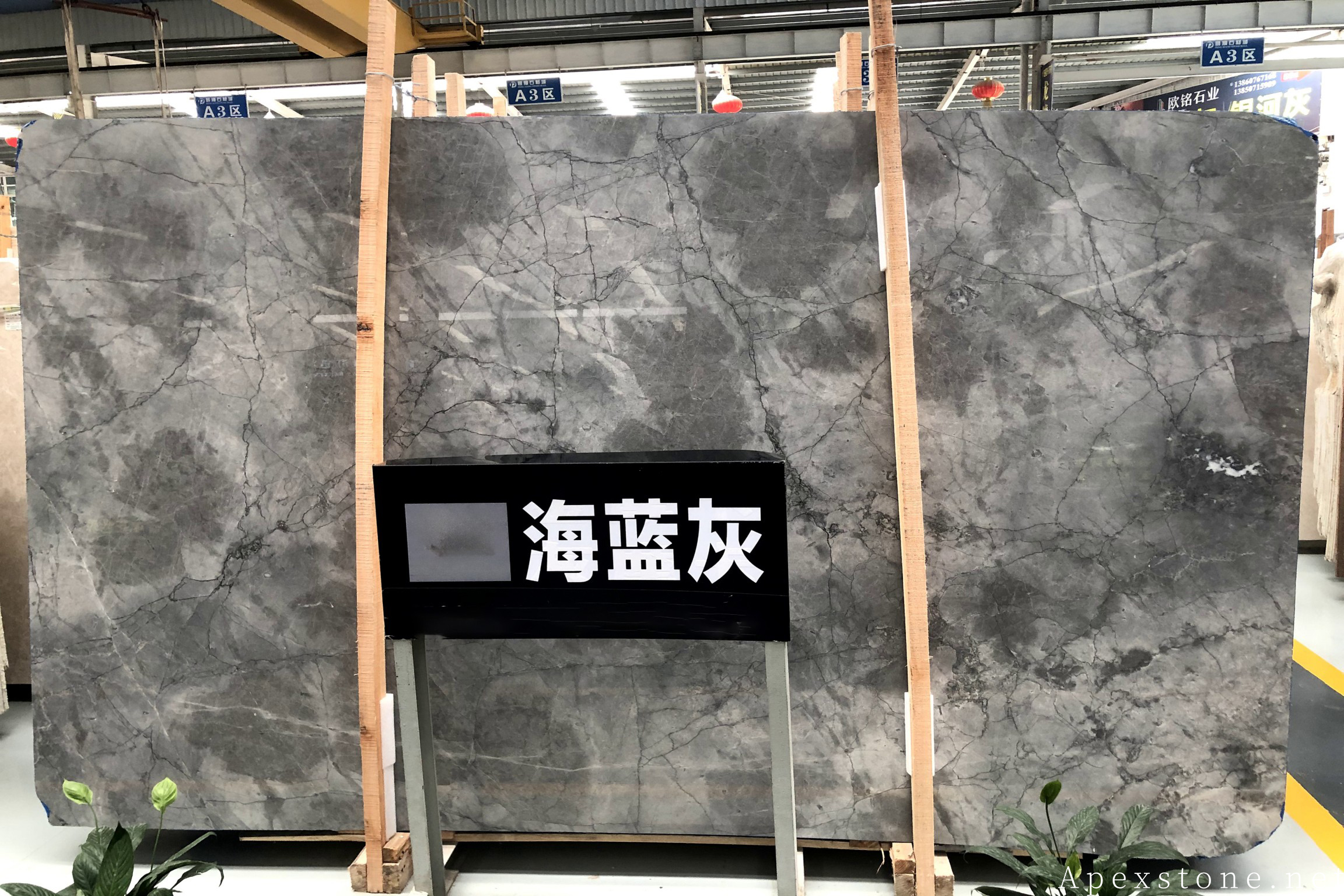
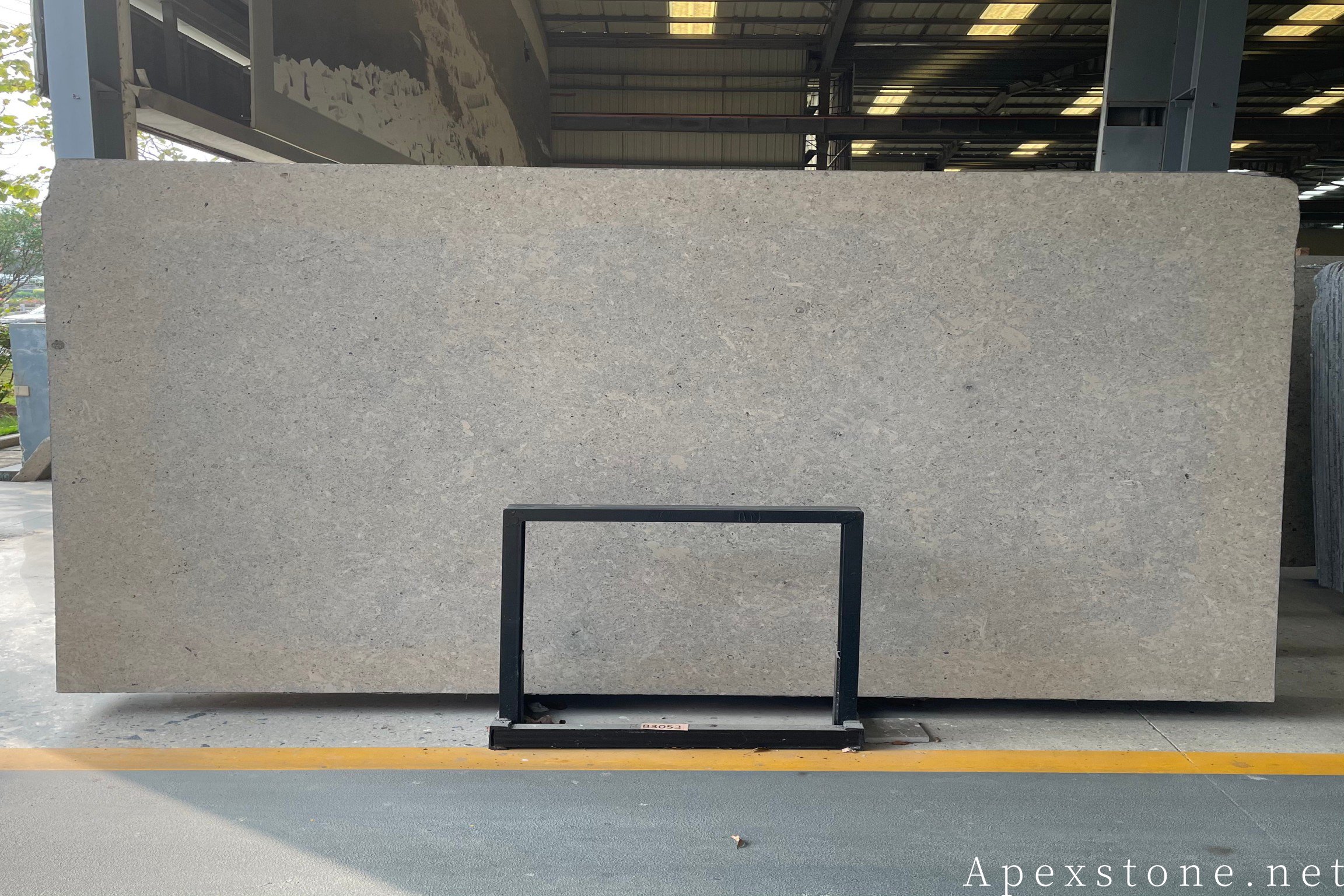
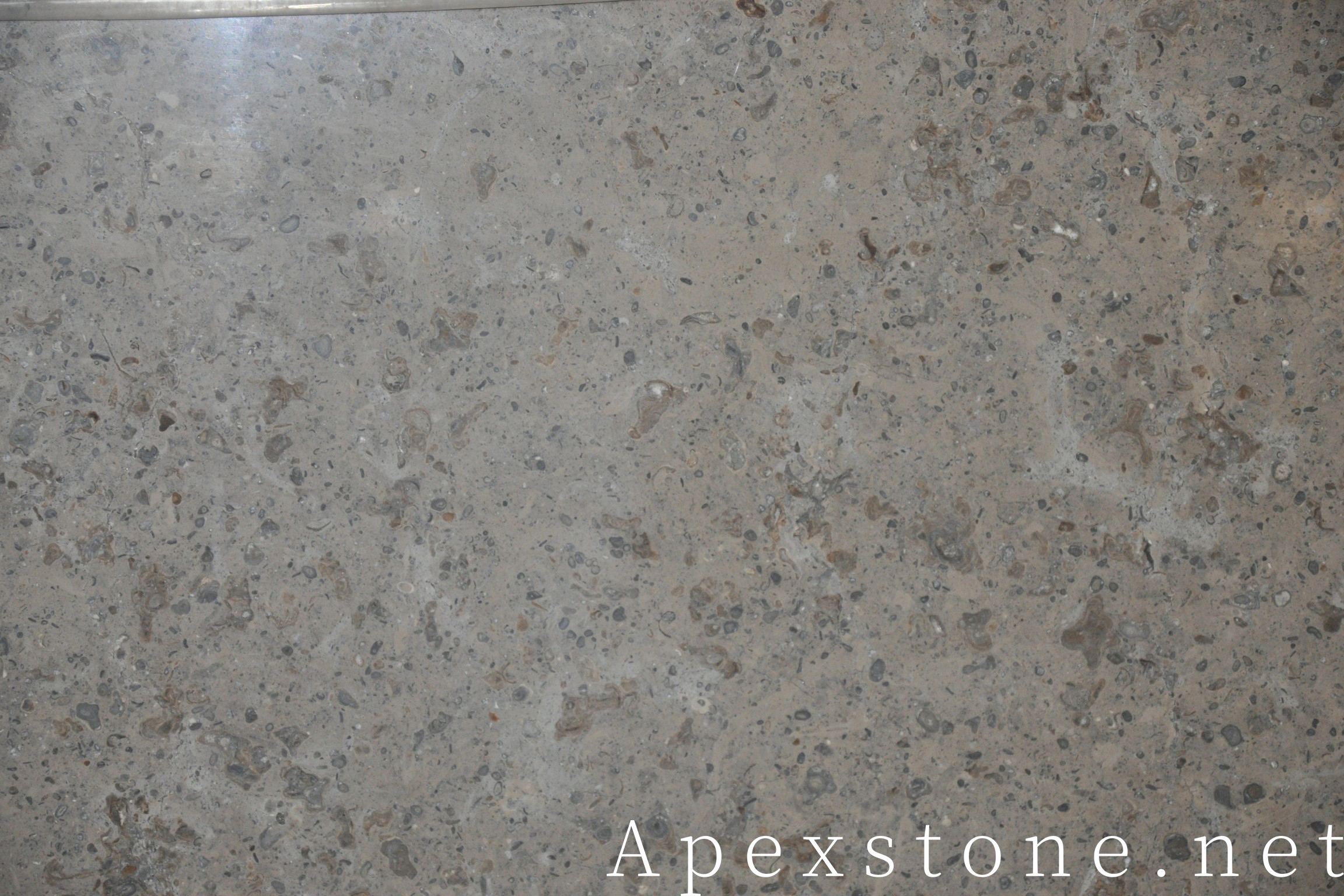
Portuguese Grey limestone slabs with a warm grey base, evenly distributed cold-grey floral veins and visible fossil shell deposits. Versatile natural stone for bathroom floor and wall tiles, vanity tops, cabinet tops, and full-space interior applications. Inexpensive limestone slab supplier — single-source material for entire interior projects.
Highlights
- Natural limestone quarried in Portugal — stone code 240501
- Warm grey base with cold-grey floral veining and fossil shell deposits
- Density 2.4–2.7 g/cm³, water absorption ≤3%, Mohs 3–4, compressive strength 60–170 MPa
- Cost-effective natural stone — reference price RMB 300–400/m² for 18–20 mm slabs
- Suitable for countertops, vanity tops, stone tables, wall cladding, and sinks
- Available in honed, polished, and brushed finishes with custom edge profiling
Specifications
| Stone Code | 240501 |
|---|---|
| Stone Type | Limestone |
| Origin | Portugal |
| Base Color | Warm Grey |
| Vein Tone | Cold Grey |
| Pattern | Evenly distributed floral pattern |
| Natural Feature | Visible fossil shell deposits |
| Backlit | No |
| Density | 2.4–2.7 g/cm³ |
| Water Absorption | ≤3% |
| Mohs Hardness | 3–4 |
| Compressive Strength | 60–170 MPa |
| Reference Thickness | 18–20 mm |
| Reference Price | RMB 300–400/m² |
| Recommended Styles | Modern, Scandinavian, Industrial |
| Applications | Countertops, Interior Stone, Stone Tables, Sinks & Tubs |
Product Detail
One Slab Order, Three Different Greys: The Batch Color Problem in Limestone Procurement
If you have ever ordered a large quantity of limestone slabs across two or three containers, you already know the risk that keeps project managers awake: the sample you approved looks warm grey with fine fossil detail, but the slabs that arrive in the third container are visibly colder, or the floral veining concentrates differently, and the installed wall reads as three different stones. Limestone is a natural sedimentary material, and even within one quarry, adjacent blocks can differ in background tone, vein density, and fossil distribution. For a Portuguese Grey limestone slab buyer, that variance is not a small aesthetic detail. It decides whether your project handover passes the consultant's inspection or turns into a claim.
The pain is sharpest in multi-phase and multi-container orders. The first container is matched to the approved reference. By the time the second and third containers are cut months later, the mill may have moved to a different block group, and the background tone drifts. Because Portuguese Grey is specified precisely for its reserved tonal harmony—warm grey base, evenly distributed cold-grey floral veins, and visible fossil shell deposits—any drift is immediately visible on large continuous surfaces such as bathroom floors, feature walls, and full-height cladding. There is nowhere for variation to hide.
What Batch Drift Actually Costs a Slab Buyer
When slab batches do not match, the impact lands directly on your margin and your schedule. Installed areas show tone bands where one phase meets the next. Contractors stop work while someone decides whether the new material is acceptable. If the consultant rejects the deviation, you are looking at re-cutting from fresh stock, freight for replacement slabs, and a delayed handover that your client attributes to you. On budget-driven projects, Portuguese Grey is often selected precisely because it is an inexpensive limestone slab within the natural stone category—so every dollar spent on rework erodes the cost advantage that made the stone attractive in the first place.
There is a second, quieter cost: single-source credibility. Distributors and fabrication shops who resell slabs need every crate in a program to look like the crates before it. If your customer's kitchen island countertop, vanity top, and bathroom floor tiles were all sold as the same material, a visible tone break between shipments damages the relationship, not just the invoice. This is why batch control—not just price—is the real procurement decision in limestone slab programs.
Our Answer: Lock the Block, Cut in Sequence, Inspect Before Packing
Apexstone approaches the batch problem at its source: the block. Because tone and fossil character live in the block, not in the saw, our batch control starts in Portugal, before any slab exists.
- Block-by-block selection at the quarry. Portuguese Grey limestone blocks (stone code 240501) are hand-selected at the quarry in Portugal and inspected for fossil distribution, vein consistency, and structural soundness. Only blocks that meet our density and color criteria are approved for export to our Xiamen facility. A batch starts here: slabs in one order come from blocks selected to the same tonal standard.
- Sequential gang-saw cutting. Raw blocks are sliced into full-size slabs on Italian gang-saw technology at the reference thickness of 18–20 mm, using chilled water and steel shot abrasive. Cutting a block in sequence preserves the natural continuity of background tone and vein movement through the bundle, which is exactly what large-format flooring and wall programs need.
- Final inspection for vein direction and fossil placement. Before packing, each slab undergoes a manual quality inspection covering dimensional tolerance, surface defects, vein direction, and fossil placement. This is the last gate where a slab that deviates from the batch standard can be held back instead of shipped.
- CAD pre-visualization for cut-to-size programs. For buyers converting slabs into tiles, vanity tops, or cladding, we provide CAD pre-visualization so the layout of the cut pieces is agreed before the saw runs—reducing surprises between the approved layout and the delivered crates.
- Container loading and documentation. Our Xiamen headquarters coordinates container loading and documentation for B2B importers, so slabs from the same allocation travel together and arrive with records you can match to your original reference.
The result is a supply chain in which visual consistency is engineered from the block outward, rather than discovered—and disputed—at the construction site.
How Portuguese Grey Slabs Are Actually Made
Every Portuguese Grey limestone product from Apexstone follows a controlled production process that ensures dimensional accuracy, surface consistency, and structural integrity. Our Xiamen facility combines Italian gang-saw technology with CNC precision cutting and manual quality inspection at every stage.
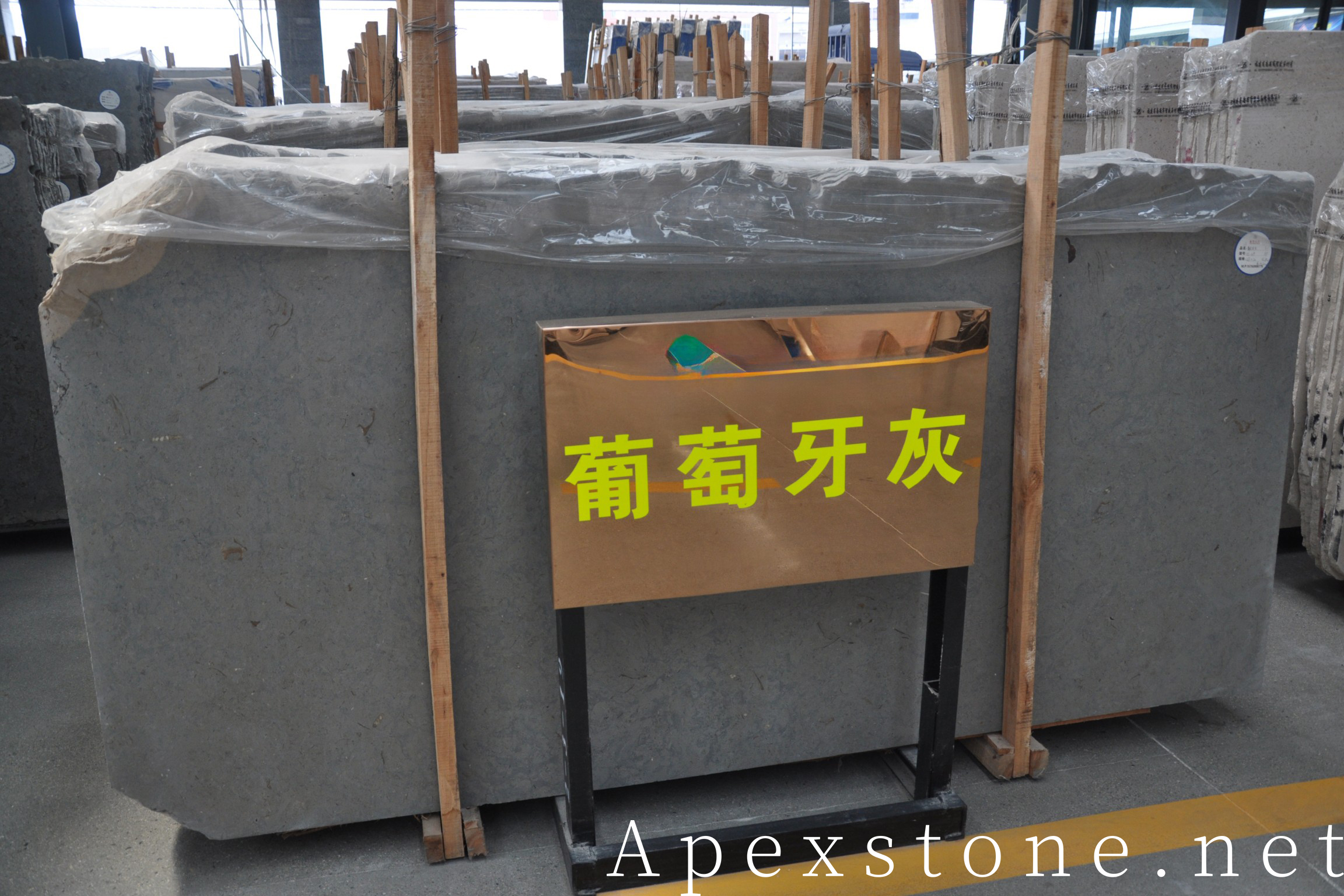
Step 1 - Block Selection: Limestone blocks are hand-selected at the quarry in Portugal, inspected for fossil distribution, vein consistency, and structural soundness. Only blocks meeting our density and color criteria are approved for export.
Step 2 - Gang-Saw Cutting: Raw blocks are mounted on the gang-saw and sliced into full-size slabs at the reference thickness of 18–20 mm. The cutting process uses chilled water and steel shot abrasive to produce a clean, flat surface.
Step 3 - Surface Finishing: Slabs are processed through honing, polishing, or brushing lines depending on the specified finish. Honed finishes produce a matte, smooth surface ideal for wet areas; polished finishes create a reflective, formal sheen; brushed finishes add texture and a weathered, tactile quality.
Step 4 - CNC Cutting & Edge Profiling: For custom products—countertops, vanity tops, sinks—slabs are cut on CNC bridge saws to exact CAD dimensions. Edge profiles are milled on CNC routers, and cutouts for sinks, faucets, and cooktops are drilled with precision water-jet or core-bit tooling.
Step 5 - Sealing & Quality Control: Finished pieces are sealed with penetrating stone sealer to reduce porosity and protect against staining. Each piece undergoes a final inspection for dimensional tolerance, surface defects, vein direction, and fossil placement before being packed for shipment.
One Stone, One Batch, a Whole Interior
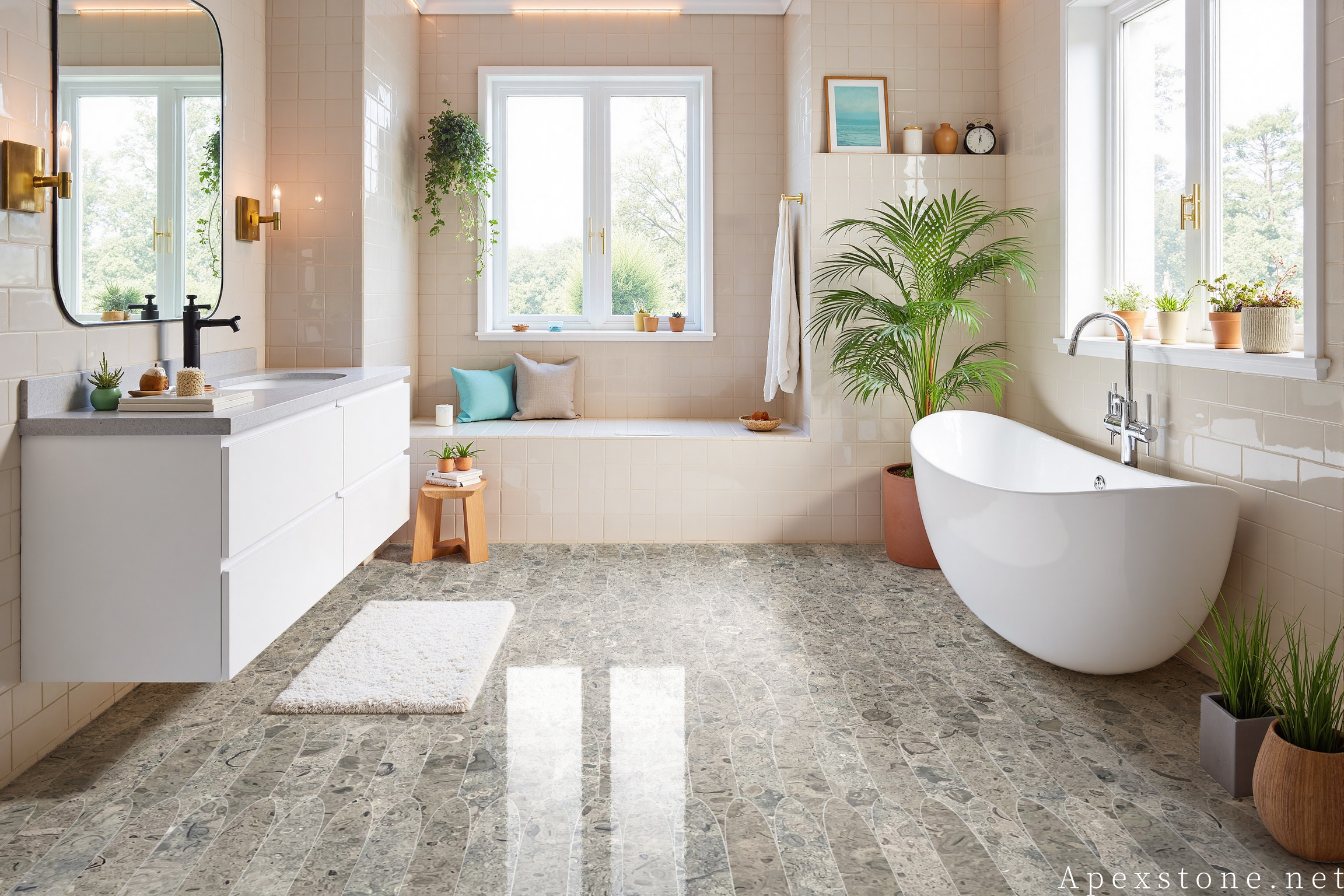
A further procurement advantage of locking a slab batch: the same allocation can serve multiple product lines. Portuguese Grey limestone is manufactured into kitchen countertops, bathroom vanity tops, shower wall cladding, stone sinks, and stone table tops. Because these products are cut from the same material batch, the kitchen counter, the vanity surface, and the bathroom floor tiles in one project share the same warm grey base and the same fossil character. This single-source approach simplifies procurement, reduces color-matching risk, and ensures that every surface in the project reads as one material—which is exactly the visual consistency that batch control is supposed to buy.
Portuguese Grey Limestone Slab — Verified Specifications
| Attribute | Specification |
|---|---|
| Stone Code | 240501 |
| Stone Type | Limestone |
| Origin | Portugal |
| Base Color | Warm Grey |
| Vein Tone | Cold Grey |
| Pattern | Evenly distributed floral pattern |
| Natural Feature | Visible fossil shell deposits |
| Density | 2.4–2.7 g/cm³ |
| Water Absorption | ≤3% |
| Mohs Hardness | 3–4 |
| Compressive Strength | 60–170 MPa |
| Reference Thickness | 18–20 mm |
| Reference Price | RMB 300–400/m² (18–20 mm slab, workbook average 350) |
| Recommended Styles | Modern, Scandinavian, Industrial |
| Applications | Countertops, Interior Stone, Stone Tables, Sinks & Tubs |
Sourcing FAQs for Limestone Slab Buyers
- How do you keep tone consistent across a multi-container slab order?
- Batch control starts with hand-selected blocks at the quarry in Portugal, inspected for fossil distribution and vein consistency against the same tonal standard. Slabs are cut in sequence on the gang-saw and each piece is inspected for vein direction and fossil placement before packing, so deviation is caught in the factory rather than at your site.
- Can I get slabs from the same batch as my tiles and countertop blanks?
- Yes. Portuguese Grey is manufactured into kitchen countertops, vanity tops, wall cladding, floor tiles, and full-space applications from the same material batches. Tell us the full product list for the project and we will plan slab allocation across all of them.
- What finishes are available on the slabs?
- Honed, polished, and brushed. Honed suits wet areas with a matte, non-reflective surface; polished gives a formal sheen; brushed adds texture and a weathered, tactile quality.
- Is limestone durable enough for floors and countertops?
- Portuguese limestone typically exhibits a density of 2.4–2.7 g/cm³, water absorption below 3%, Mohs hardness of 3–4, and compressive strength of 60–170 MPa—softer than granite but sufficiently durable for interior countertops, vanity tops, wall cladding, and flooring when properly sealed.
- What is the minimum order and how do I start?
- Share your slab sizes, finishes, quantities, and target program dates. We will confirm slab availability, current pricing, and a quotation; minimum order quantities and lead times vary by slab size and finish selection.
Request Slab Batch Photos and a Quotation
Tell us your project quantities, slab sizes, finish selection, and delivery schedule. Our team will reply with current slab availability, reference photos from the allocated batch, and a project quotation for your Portuguese Grey limestone program.
Get batch-matched Portuguese Grey limestone slabs for your project
Apexstone has supplied natural stone to projects in 42+ countries since 2002.
Request slab details & quotation